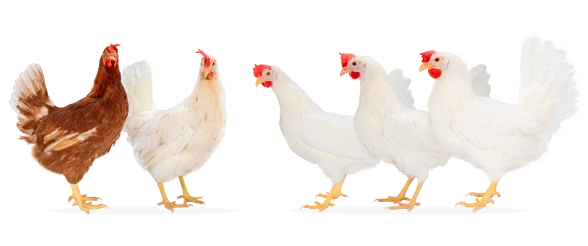
Welcome to Chickipedia – your trusted knowledge hub for the poultry industry. Whether you’re managing parent stock, layers, or hatcheries, The Chickipedia offers you quick expert insights and practical guidance cross every stage of layer and egg production. From chick arrival and housing systems to nutrition, health, and egg management, our practical articles help you ensure optimal performance and biosecurity at every step.
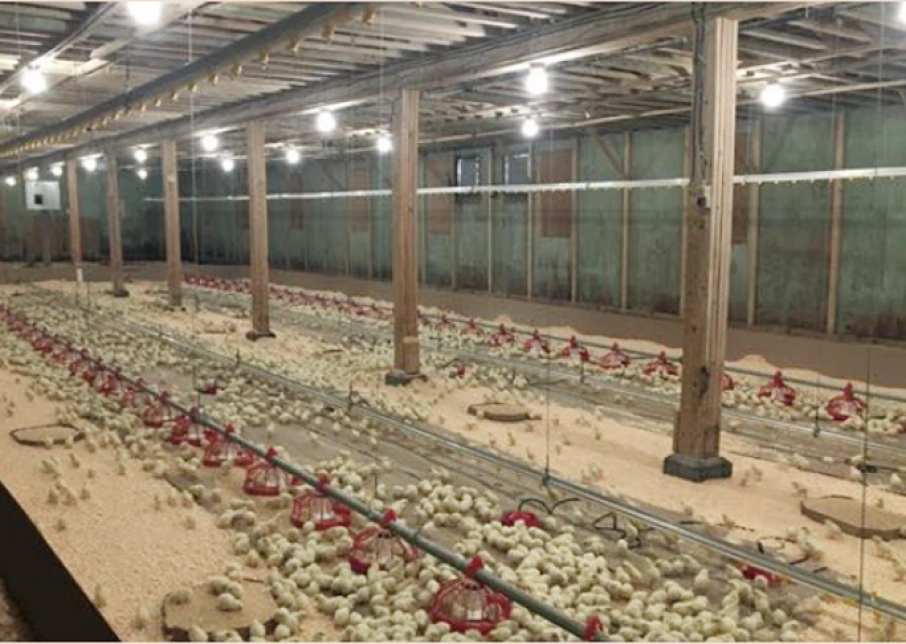
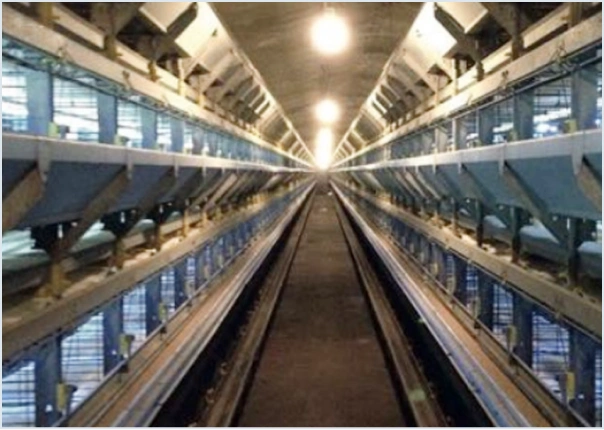
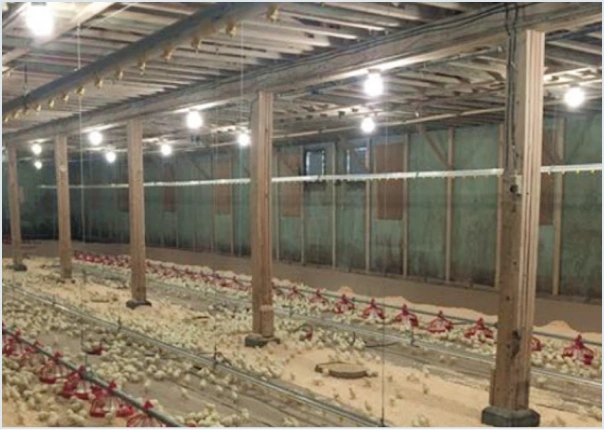
Rearing house systems for layer breeder Several housing systems are available for layers parent stock rearing & production. It is possible to achieve a good productivity in all of them but each one has its advantages and disadvantage. It should be considered that layer parent...
Cleaning and disinfection procedure Step 1 Preparation It is essential to remove all equipment or waste (dead birds, feed, eggs, manure, etc.) left in the house before cleaning. Any removable material/equipment should be detached Step 2 Dry cleaning This removes all dust and dry organic...
Brooding lighting program Intermittent lighting program H&N Recommendation Dark houses only (< 3 lux) This program can be used for up to 7-10 days after arrival. Then switch back to the regular step-down lighting program. Using this lighting program has the following advantages: Chick behavior...
Light program Basic Principles The hours of light at the end of rearing should equal the hours of light at the production house before the start of light stimulation. The light intensity should be similar to what pullets will find in the production house. Design...
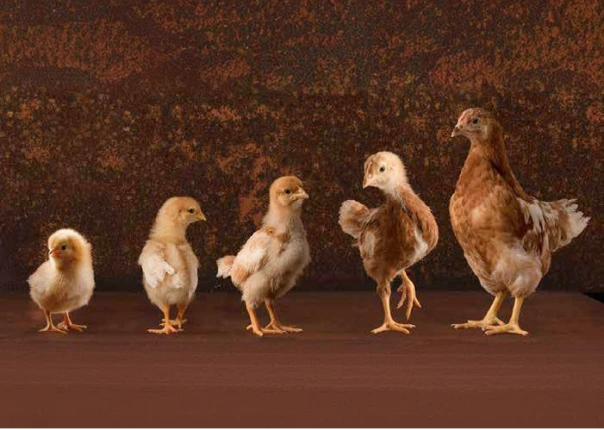
Body weight Weight gain slows during this period. That is especially true for the weekly percentage increase of body weight. However, the growth rate must be always maintained throughout this period. Most of the skeleton and muscular systems have already been formed by now. On...
Preparing the breeding flock to move to the laying house We recommend transferring the birds between 16 and 18 weeks and once the vaccination program has been completed (at least one week after last killed vaccine). The birds should have time to become familiar with...
Period after transfer During the first days after housing, it is important to stimulate sufficient feed intake. The hens should increase their feed intake as fast as possible and continue gaining weight (see figure 1). Some useful recommendations: Provide attractive feed with a good structure...
Production Stage After reaching a good production peak, H&N breeders should enter a production plateau. Their genetic potential allows them to maintain a high production level, optimal egg size and good eggshell quality for some weeks but to achieve this, pay close attention to certain...
Hatching egg management The fertile egg contains a living embryo which has all the genetic potential of H&N International. In order to enable embryo express this potential during incubation and later in life as pullet and laying hen, good hatching egg quality is essential. Egg...
Rearing nutrition Feed description and management Starter feed High density diet with highly digestible raw materials. Investment that sets up the basis of skeletal and muscular growth of the pullet. Feed should always be available. Grower feed Medium density diet with more variety of raw...
Hen thermo-regulation Convection Heat loss occurs due to the movement of the air which permits the transfer of heat from the hen’s body to the air. This process can be promoted by providing fast air movement around the hen. Conduction Heat transfer from surface to...
Flock health at parent stock farm: a critical point for success In the egg industry, numerous diseases are vertically transmitted, this means from breeders to their progeny. That is why without a strict sanitary control at the selection and reproduction level it is not possible...