Welcome to Chickipedia – your trusted knowledge hub for the poultry industry. Whether you’re managing parent stock, layers, or hatcheries, The Chickipedia offers you quick expert insights and practical guidance cross every stage of layer and egg production. From chick arrival and housing systems to nutrition, health, and egg management, our practical articles help you ensure optimal performance and biosecurity at every step.
Cleaning and disinfection procedure Step 1 Preparation It is essential to remove all equipment or waste (dead birds, feed, eggs, manure, etc.) left in the house before cleaning. Any removable material/equipment should be detached Step 2 Dry cleaning This removes all dust and dry organic...
Brooding lighting program Intermittent lighting program Dark houses only (< 3 lux) This program can be used for up to 7 – 10 days after arrival. Then switch back to the regular step-down lighting program. Using this lighting program has the following advantages: Chick behaviour...
Light program Basic Principles The hours of light at the end of rearing should equal the hours of light at the production house before the start of light stimulation. The light intensity should be similar to what pullets will find in the production house. Design...
Body weight Weight gain as a percentage will slow in this period, but the chicks will continue to grow and develop. Most of the skeleton and muscular systems have already been formed by now and fat disposal will now begin to improve. A correct fat...
Preparing the breeding flock to move to the laying house It is recommended that birds are transferred between 15 and 18 weeks of age. The birds should have time to familiarise themselves with the new environment before they start laying. If the feeding and watering...
Period after transfer During the first days after housing, it is important to stimulate sufficient feed intake. The hens should increase their feed intake as fast as possible and continue gaining weight (see figure 1). Some useful recommendations: Provide attractive feed with a good structure...
Production Stage After reaching a good production peak, H&N hens should enter a production plateau. Their genetic potential allows them to maintain a high production level and good eggshell quality for some weeks but to achieve this, pay close attention to certain aspects: Feed quality...
Eggshell quality Body weight at 5-6 weeks of age The hen’s carcass develops mainly during the first 5-6 weeks of age. A loss of body weight during this period will reduce the laying hen’s longevity. Correct use of pre-sponge feed Incorrect use of pre-lay feed...
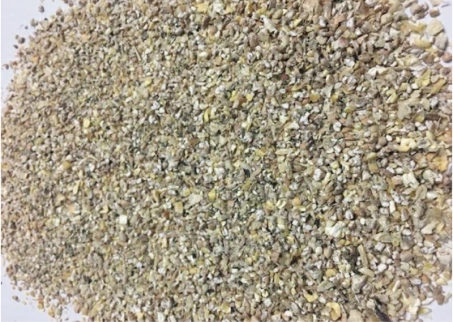
Rearing nutrition Feed description and management Starter feed High density diet with highly digestible raw materials. Investment that sets up the basis of skeletal and muscular growth of the pullet. Feed should always be available. Grower feed Medium density diet with more variety of raw...
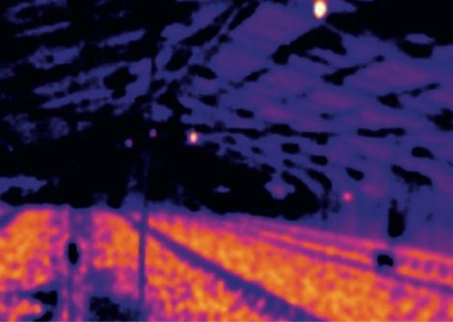
Hen thermo-regulation Convection Heat loss occurs due to the movement of the air which permits the transfer of heat from the hen’s body to the air. This process can be promoted by providing fast air movement around the hen. Conduction Heat transfer from surface to...
What is a healthy hen? Knowing a hen’s health status is essential to achieve production goals. Sick birds cannot develop to their full genetic potential, so health programs play a central role in the production schedule. Healthy hens are disease-free or, at least, can support...
What is a healthy hen? Cracked/broken eggs: Problem Large cracks and holes % in production: increases with the age of the hen. 1–5 % of total production Causes Old birds (> 50–60 weeks) Mineral deficiencies or imbalance Saline water Diseases with ovary tropism High temperatures...
House preparation and arrival of chicks Cleaning and disinfection procedure Do not proceed to the next step until the previous step has been completed. Clean the area outside the house, storage and service areas, water lines and ventilation system. Provide staff with adequate protection and...